

Healing Truths
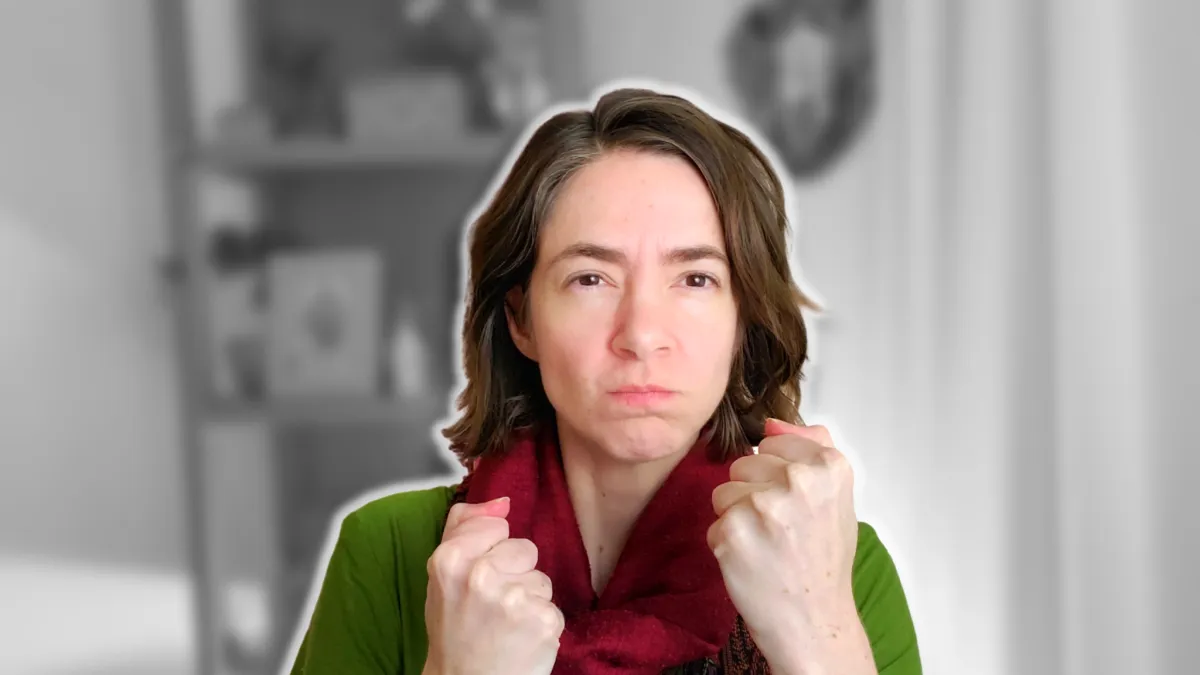
Healthy Conflict | What To Do When You Upset Someone
Leslie Huddart L.Ac.
Healthy Conflict | What To Do When You Upset Someone
I'm going to give you three key things that you need to not only deal with conflict, but maybe even prevent it.
The benefit of knowing this information is that you can finally be calmer as you're going through a conflict or kind of rough conversation process.
Stop losing sleep, stop worrying about what's happening because most of us avoid conflict above all else.
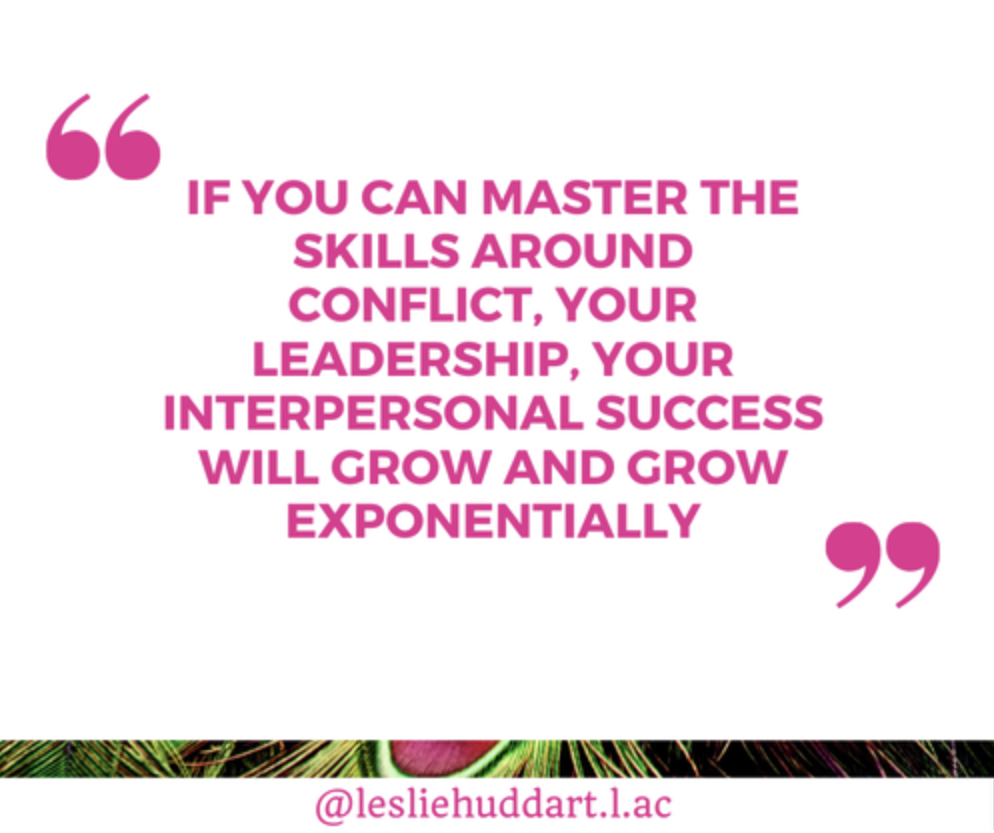
The truth is that conflict is really a part of life. If you can master these skills around conflict, your leadership, your interpersonal success will grow and grow exponentially.
Now, conflict is not really a super party fun subject for most people. Most people avoid and fear conflict kind of like the plague. I'm sure it's up there close to public speaking and death on fears and things that people don't want to deal with. But the truth is, is that conflict happen.
Actually just the other day, I got an email from someone. We're both working on this group project of this organization that I'm loosely involved with and another woman is in charge of things.
She asked me to help out and I did something that we hadn't discussed and she was like, "Wow, I'm really surprised that you did that. I don't really want you to do that" and I got this email just before I went to bed.
Thankfully, I've been practicing over the years because conflict isn't something that always was super easy for me. I now have a comfort and actually kind of like a curiosity sometimes with conflict that helps me to regulate my system around that.
What's Going On Inside Yourself
The first key skill when conflict is happening is that you need to notice what's going on inside yourself.
Now this might seem simple, but it's not. This is a combination of several mind-body skills. This involves two major mind-body-spirit system components.
One of which you have more control over. The other one not so much.
This falls into the realm of mindfulness or the ability to really monitor and move your attention through different parts of what you're feeling, which means not just your thoughts, but maybe also your emotions or the sensations that are happening in your body. This as a global term we call Mindfulness.
You have to be able to have a certain level of mind-body connection that's working well. Now part of this is a little bit out of your control. This is what I would call the "state of your mind body system".
Our mind-body-system or our Subtle Body has a technical wiring or a way that it works. For some people that's not well- honed.
Maybe there's been some damage, maybe there's been some trauma.
To a certain degree you have control over your mindfulness. That's always a skill that you can build and heal. It also depends on the current state of your subtle body.
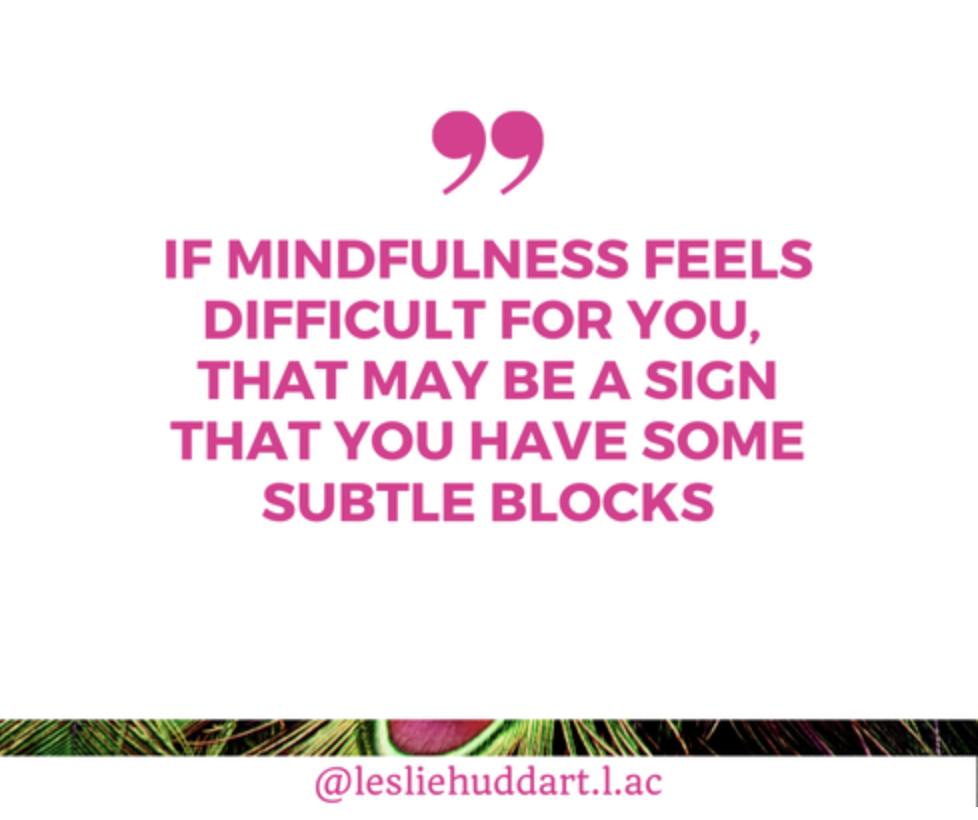
If mindfulness feels very, very difficult for you, that may be a sign that you have some subtle blocks and need to work with someone who knows about those. This is what I do in my job, so I know these things very well.
The other part is something that you totally have control about and that is your Observer Mind. Your ability to instead of focusing outward, to turn that around and look inwards and have this experience of, "Huh, that's interesting", and notice what happens inside of you before you react.
This is the key foundation for dealing with conflict because if you don't have this mindfulness in yourself, you automatically go into reaction, which usually makes the conflict a lot worse.
So number one skill, you've got to be able to notice yourself in that mind-body-spirit kind of integrated component with your Observer Mind. Number two, you need to notice or track what's happening with the other person.
Now, this doesn't mean you have to know exactly. You don't have to be psychic to know what's happening with them, but you have to kind of pay attention.
If you're in-person with them, you can notice, does their body language shift and get more tense? Did they kind of lose their train of thought? Did something shift with them after you said something that gives your inner awareness, that Observer Mind a little marker that "Wait a minute, something's happening with this person". This is a key skill for navigating conflict.
What's Happening With The Other Person
Now, number two is something that empaths and sensitive people do well. We're really good at tracking with what is happening with the other person.
But if you're an empathic person, you feel like, "Oh, I track too much with the other person", go back to step number one and make sure not only are you aware of where and how you're doing on the inside, but make sure that you haven't disassociated, or jumped out of your body energetically.
You need both of those. Tracking with someone else is not enough, and just tracking with yourself also is the most important, but you need both of those components.
Go Back!
Number three, you need the verbal ability to go back and reference things objectively.
What this means is actually practicing the verbal skill. I teach this a lot in what I call Energetic Communication of going back to the scene of the crime as it were, the scene of the offense or the conflict, and describing things very objectively so that what that means is giving an objective play by play.
"Hey, when I sent you that email, I noticed that your response seemed a little bit heated" or "When I said that thing about your mother-in-law, I noticed that you stop talking and I'm wondering if there's something going on or if I offended you in some way".
There's three basic components that we're using in this last describing the situation.
Remember, their objective and the basic framework is THIS THING HAPPENED, I NOTICED THIS or I FELT THIS IN MYSELF, and I'M JUST CHECKING WITH YOU WHAT HAPPENED.
Those three components, this happened when this happened, this is what I noticed what seemed to be happening with you or what was most importantly happening with me and here's a question to someone else and to get the feedback of what's actually happening.
If you can start to develop these three skills, your ability with conflict in your success in life and interpersonal relationships will skyrocket and remember, you don't have to do it all at once.
It's little by little. What I do for myself is every time I have a difficult conversation with someone, what I'm looking for in myself is just, "Did I do it a little better than I did it last time?"
Only use yourself as the guide and you'll find your own success.
I would love to be of service to you on your personal and spiritual growth path. I am sending you lots of love!

--->RELEASE THE TRAPPED TRAUMA FROM YOUR BODY (WITHOUT YEARS OF THERAPY)<---
Disclaimer: This program is not intended to be a substitute for professional mental health or counseling services. No practitioner-patient relationship is established and the training content is for educational purposes only and does not constitute medical advice. These statements have not been evaluated by the FDA and nothing here is intended to diagnose, cure or treat any disorders.
Watch Leslie Huddart L.Ac. YouTube Videos
Facebook. Instagram Youtube Website

Guide for Empaths
Healthy Conflict | What To Do When You Upset Someone
Leslie Huddart L.Ac.
Healthy Conflict | What To Do When You Upset Someone
I'm going to give you three key things that you need to not only deal with conflict, but maybe even prevent it.
The benefit of knowing this information is that you can finally be calmer as you're going through a conflict or kind of rough conversation process.
Stop losing sleep, stop worrying about what's happening because most of us avoid conflict above all else.
The truth is that conflict is really a part of life. If you can master these skills around conflict, your leadership, your interpersonal success will grow and grow exponentially.
Now, conflict is not really a super party fun subject for most people. Most people avoid and fear conflict kind of like the plague. I'm sure it's up there close to public speaking and death on fears and things that people don't want to deal with. But the truth is, is that conflict happen.
Actually just the other day, I got an email from someone. We're both working on this group project of this organization that I'm loosely involved with and another woman is in charge of things.
She asked me to help out and I did something that we hadn't discussed and she was like, "Wow, I'm really surprised that you did that. I don't really want you to do that" and I got this email just before I went to bed.
Thankfully, I've been practicing over the years because conflict isn't something that always was super easy for me. I now have a comfort and actually kind of like a curiosity sometimes with conflict that helps me to regulate my system around that.
What's Going On Inside Yourself
The first key skill when conflict is happening is that you need to notice what's going on inside yourself.
Now this might seem simple, but it's not. This is a combination of several mind-body skills. This involves two major mind-body-spirit system components.
One of which you have more control over. The other one not so much.
This falls into the realm of mindfulness or the ability to really monitor and move your attention through different parts of what you're feeling, which means not just your thoughts, but maybe also your emotions or the sensations that are happening in your body. This as a global term we call Mindfulness.
You have to be able to have a certain level of mind-body connection that's working well. Now part of this is a little bit out of your control. This is what I would call the "state of your mind body system".
Our mind-body-system or our Subtle Body has a technical wiring or a way that it works. For some people that's not well- honed.
Maybe there's been some damage, maybe there's been some trauma.
To a certain degree you have control over your mindfulness. That's always a skill that you can build and heal. It also depends on the current state of your subtle body.
If mindfulness feels very, very difficult for you, that may be a sign that you have some subtle blocks and need to work with someone who knows about those. This is what I do in my job, so I know these things very well.
The other part is something that you totally have control about and that is your Observer Mind. Your ability to instead of focusing outward, to turn that around and look inwards and have this experience of, "Huh, that's interesting", and notice what happens inside of you before you react.
This is the key foundation for dealing with conflict because if you don't have this mindfulness in yourself, you automatically go into reaction, which usually makes the conflict a lot worse.
So number one skill, you've got to be able to notice yourself in that mind-body-spirit kind of integrated component with your Observer Mind. Number two, you need to notice or track what's happening with the other person.
Now, this doesn't mean you have to know exactly. You don't have to be psychic to know what's happening with them, but you have to kind of pay attention.
If you're in-person with them, you can notice, does their body language shift and get more tense? Did they kind of lose their train of thought? Did something shift with them after you said something that gives your inner awareness, that Observer Mind a little marker that "Wait a minute, something's happening with this person". This is a key skill for navigating conflict.
What's Happening With The Other Person
Now, number two is something that empaths and sensitive people do well. We're really good at tracking with what is happening with the other person.
But if you're an empathic person, you feel like, "Oh, I track too much with the other person", go back to step number one and make sure not only are you aware of where and how you're doing on the inside, but make sure that you haven't disassociated, or jumped out of your body energetically.
You need both of those. Tracking with someone else is not enough, and just tracking with yourself also is the most important, but you need both of those components.
Go Back!
Number three, you need the verbal ability to go back and reference things objectively.
What this means is actually practicing the verbal skill. I teach this a lot in what I call Energetic Communication of going back to the scene of the crime as it were, the scene of the offense or the conflict, and describing things very objectively so that what that means is giving an objective play by play.
"Hey, when I sent you that email, I noticed that your response seemed a little bit heated" or "When I said that thing about your mother-in-law, I noticed that you stop talking and I'm wondering if there's something going on or if I offended you in some way".
There's three basic components that we're using in this last describing the situation.
Remember, their objective and the basic framework is THIS THING HAPPENED, I NOTICED THIS or I FELT THIS IN MYSELF, and I'M JUST CHECKING WITH YOU WHAT HAPPENED.
Those three components, this happened when this happened, this is what I noticed what seemed to be happening with you or what was most importantly happening with me and here's a question to someone else and to get the feedback of what's actually happening.
If you can start to develop these three skills, your ability with conflict in your success in life and interpersonal relationships will skyrocket and remember, you don't have to do it all at once.
It's little by little. What I do for myself is every time I have a difficult conversation with someone, what I'm looking for in myself is just, "Did I do it a little better than I did it last time?"
Only use yourself as the guide and you'll find your own success.
I would love to be of service to you on your personal and spiritual growth path. I am sending you lots of love!
--->RELEASE THE TRAPPED TRAUMA FROM YOUR BODY (WITHOUT YEARS OF THERAPY)<---
Disclaimer: This program is not intended to be a substitute for professional mental health or counseling services. No practitioner-patient relationship is established and the training content is for educational purposes only and does not constitute medical advice. These statements have not been evaluated by the FDA and nothing here is intended to diagnose, cure or treat any disorders.
Watch Leslie Huddart L.Ac. YouTube Videos
Facebook. Instagram Youtube Website
Dating for Empaths
Healthy Conflict | What To Do When You Upset Someone
Leslie Huddart L.Ac.
Healthy Conflict | What To Do When You Upset Someone
I'm going to give you three key things that you need to not only deal with conflict, but maybe even prevent it.
The benefit of knowing this information is that you can finally be calmer as you're going through a conflict or kind of rough conversation process.
Stop losing sleep, stop worrying about what's happening because most of us avoid conflict above all else.
The truth is that conflict is really a part of life. If you can master these skills around conflict, your leadership, your interpersonal success will grow and grow exponentially.
Now, conflict is not really a super party fun subject for most people. Most people avoid and fear conflict kind of like the plague. I'm sure it's up there close to public speaking and death on fears and things that people don't want to deal with. But the truth is, is that conflict happen.
Actually just the other day, I got an email from someone. We're both working on this group project of this organization that I'm loosely involved with and another woman is in charge of things.
She asked me to help out and I did something that we hadn't discussed and she was like, "Wow, I'm really surprised that you did that. I don't really want you to do that" and I got this email just before I went to bed.
Thankfully, I've been practicing over the years because conflict isn't something that always was super easy for me. I now have a comfort and actually kind of like a curiosity sometimes with conflict that helps me to regulate my system around that.
What's Going On Inside Yourself
The first key skill when conflict is happening is that you need to notice what's going on inside yourself.
Now this might seem simple, but it's not. This is a combination of several mind-body skills. This involves two major mind-body-spirit system components.
One of which you have more control over. The other one not so much.
This falls into the realm of mindfulness or the ability to really monitor and move your attention through different parts of what you're feeling, which means not just your thoughts, but maybe also your emotions or the sensations that are happening in your body. This as a global term we call Mindfulness.
You have to be able to have a certain level of mind-body connection that's working well. Now part of this is a little bit out of your control. This is what I would call the "state of your mind body system".
Our mind-body-system or our Subtle Body has a technical wiring or a way that it works. For some people that's not well- honed.
Maybe there's been some damage, maybe there's been some trauma.
To a certain degree you have control over your mindfulness. That's always a skill that you can build and heal. It also depends on the current state of your subtle body.
If mindfulness feels very, very difficult for you, that may be a sign that you have some subtle blocks and need to work with someone who knows about those. This is what I do in my job, so I know these things very well.
The other part is something that you totally have control about and that is your Observer Mind. Your ability to instead of focusing outward, to turn that around and look inwards and have this experience of, "Huh, that's interesting", and notice what happens inside of you before you react.
This is the key foundation for dealing with conflict because if you don't have this mindfulness in yourself, you automatically go into reaction, which usually makes the conflict a lot worse.
So number one skill, you've got to be able to notice yourself in that mind-body-spirit kind of integrated component with your Observer Mind. Number two, you need to notice or track what's happening with the other person.
Now, this doesn't mean you have to know exactly. You don't have to be psychic to know what's happening with them, but you have to kind of pay attention.
If you're in-person with them, you can notice, does their body language shift and get more tense? Did they kind of lose their train of thought? Did something shift with them after you said something that gives your inner awareness, that Observer Mind a little marker that "Wait a minute, something's happening with this person". This is a key skill for navigating conflict.
What's Happening With The Other Person
Now, number two is something that empaths and sensitive people do well. We're really good at tracking with what is happening with the other person.
But if you're an empathic person, you feel like, "Oh, I track too much with the other person", go back to step number one and make sure not only are you aware of where and how you're doing on the inside, but make sure that you haven't disassociated, or jumped out of your body energetically.
You need both of those. Tracking with someone else is not enough, and just tracking with yourself also is the most important, but you need both of those components.
Go Back!
Number three, you need the verbal ability to go back and reference things objectively.
What this means is actually practicing the verbal skill. I teach this a lot in what I call Energetic Communication of going back to the scene of the crime as it were, the scene of the offense or the conflict, and describing things very objectively so that what that means is giving an objective play by play.
"Hey, when I sent you that email, I noticed that your response seemed a little bit heated" or "When I said that thing about your mother-in-law, I noticed that you stop talking and I'm wondering if there's something going on or if I offended you in some way".
There's three basic components that we're using in this last describing the situation.
Remember, their objective and the basic framework is THIS THING HAPPENED, I NOTICED THIS or I FELT THIS IN MYSELF, and I'M JUST CHECKING WITH YOU WHAT HAPPENED.
Those three components, this happened when this happened, this is what I noticed what seemed to be happening with you or what was most importantly happening with me and here's a question to someone else and to get the feedback of what's actually happening.
If you can start to develop these three skills, your ability with conflict in your success in life and interpersonal relationships will skyrocket and remember, you don't have to do it all at once.
It's little by little. What I do for myself is every time I have a difficult conversation with someone, what I'm looking for in myself is just, "Did I do it a little better than I did it last time?"
Only use yourself as the guide and you'll find your own success.
I would love to be of service to you on your personal and spiritual growth path. I am sending you lots of love!
--->RELEASE THE TRAPPED TRAUMA FROM YOUR BODY (WITHOUT YEARS OF THERAPY)<---
Disclaimer: This program is not intended to be a substitute for professional mental health or counseling services. No practitioner-patient relationship is established and the training content is for educational purposes only and does not constitute medical advice. These statements have not been evaluated by the FDA and nothing here is intended to diagnose, cure or treat any disorders.
Watch Leslie Huddart L.Ac. YouTube Videos
Facebook. Instagram Youtube Website
Chronic Pain
Healthy Conflict | What To Do When You Upset Someone
Leslie Huddart L.Ac.
Healthy Conflict | What To Do When You Upset Someone
I'm going to give you three key things that you need to not only deal with conflict, but maybe even prevent it.
The benefit of knowing this information is that you can finally be calmer as you're going through a conflict or kind of rough conversation process.
Stop losing sleep, stop worrying about what's happening because most of us avoid conflict above all else.
The truth is that conflict is really a part of life. If you can master these skills around conflict, your leadership, your interpersonal success will grow and grow exponentially.
Now, conflict is not really a super party fun subject for most people. Most people avoid and fear conflict kind of like the plague. I'm sure it's up there close to public speaking and death on fears and things that people don't want to deal with. But the truth is, is that conflict happen.
Actually just the other day, I got an email from someone. We're both working on this group project of this organization that I'm loosely involved with and another woman is in charge of things.
She asked me to help out and I did something that we hadn't discussed and she was like, "Wow, I'm really surprised that you did that. I don't really want you to do that" and I got this email just before I went to bed.
Thankfully, I've been practicing over the years because conflict isn't something that always was super easy for me. I now have a comfort and actually kind of like a curiosity sometimes with conflict that helps me to regulate my system around that.
What's Going On Inside Yourself
The first key skill when conflict is happening is that you need to notice what's going on inside yourself.
Now this might seem simple, but it's not. This is a combination of several mind-body skills. This involves two major mind-body-spirit system components.
One of which you have more control over. The other one not so much.
This falls into the realm of mindfulness or the ability to really monitor and move your attention through different parts of what you're feeling, which means not just your thoughts, but maybe also your emotions or the sensations that are happening in your body. This as a global term we call Mindfulness.
You have to be able to have a certain level of mind-body connection that's working well. Now part of this is a little bit out of your control. This is what I would call the "state of your mind body system".
Our mind-body-system or our Subtle Body has a technical wiring or a way that it works. For some people that's not well- honed.
Maybe there's been some damage, maybe there's been some trauma.
To a certain degree you have control over your mindfulness. That's always a skill that you can build and heal. It also depends on the current state of your subtle body.
If mindfulness feels very, very difficult for you, that may be a sign that you have some subtle blocks and need to work with someone who knows about those. This is what I do in my job, so I know these things very well.
The other part is something that you totally have control about and that is your Observer Mind. Your ability to instead of focusing outward, to turn that around and look inwards and have this experience of, "Huh, that's interesting", and notice what happens inside of you before you react.
This is the key foundation for dealing with conflict because if you don't have this mindfulness in yourself, you automatically go into reaction, which usually makes the conflict a lot worse.
So number one skill, you've got to be able to notice yourself in that mind-body-spirit kind of integrated component with your Observer Mind. Number two, you need to notice or track what's happening with the other person.
Now, this doesn't mean you have to know exactly. You don't have to be psychic to know what's happening with them, but you have to kind of pay attention.
If you're in-person with them, you can notice, does their body language shift and get more tense? Did they kind of lose their train of thought? Did something shift with them after you said something that gives your inner awareness, that Observer Mind a little marker that "Wait a minute, something's happening with this person". This is a key skill for navigating conflict.
What's Happening With The Other Person
Now, number two is something that empaths and sensitive people do well. We're really good at tracking with what is happening with the other person.
But if you're an empathic person, you feel like, "Oh, I track too much with the other person", go back to step number one and make sure not only are you aware of where and how you're doing on the inside, but make sure that you haven't disassociated, or jumped out of your body energetically.
You need both of those. Tracking with someone else is not enough, and just tracking with yourself also is the most important, but you need both of those components.
Go Back!
Number three, you need the verbal ability to go back and reference things objectively.
What this means is actually practicing the verbal skill. I teach this a lot in what I call Energetic Communication of going back to the scene of the crime as it were, the scene of the offense or the conflict, and describing things very objectively so that what that means is giving an objective play by play.
"Hey, when I sent you that email, I noticed that your response seemed a little bit heated" or "When I said that thing about your mother-in-law, I noticed that you stop talking and I'm wondering if there's something going on or if I offended you in some way".
There's three basic components that we're using in this last describing the situation.
Remember, their objective and the basic framework is THIS THING HAPPENED, I NOTICED THIS or I FELT THIS IN MYSELF, and I'M JUST CHECKING WITH YOU WHAT HAPPENED.
Those three components, this happened when this happened, this is what I noticed what seemed to be happening with you or what was most importantly happening with me and here's a question to someone else and to get the feedback of what's actually happening.
If you can start to develop these three skills, your ability with conflict in your success in life and interpersonal relationships will skyrocket and remember, you don't have to do it all at once.
It's little by little. What I do for myself is every time I have a difficult conversation with someone, what I'm looking for in myself is just, "Did I do it a little better than I did it last time?"
Only use yourself as the guide and you'll find your own success.
I would love to be of service to you on your personal and spiritual growth path. I am sending you lots of love!
--->RELEASE THE TRAPPED TRAUMA FROM YOUR BODY (WITHOUT YEARS OF THERAPY)<---
Disclaimer: This program is not intended to be a substitute for professional mental health or counseling services. No practitioner-patient relationship is established and the training content is for educational purposes only and does not constitute medical advice. These statements have not been evaluated by the FDA and nothing here is intended to diagnose, cure or treat any disorders.
Watch Leslie Huddart L.Ac. YouTube Videos
Facebook. Instagram Youtube Website
Spiritual but Not Religious
Healthy Conflict | What To Do When You Upset Someone
Leslie Huddart L.Ac.
Healthy Conflict | What To Do When You Upset Someone
I'm going to give you three key things that you need to not only deal with conflict, but maybe even prevent it.
The benefit of knowing this information is that you can finally be calmer as you're going through a conflict or kind of rough conversation process.
Stop losing sleep, stop worrying about what's happening because most of us avoid conflict above all else.
The truth is that conflict is really a part of life. If you can master these skills around conflict, your leadership, your interpersonal success will grow and grow exponentially.
Now, conflict is not really a super party fun subject for most people. Most people avoid and fear conflict kind of like the plague. I'm sure it's up there close to public speaking and death on fears and things that people don't want to deal with. But the truth is, is that conflict happen.
Actually just the other day, I got an email from someone. We're both working on this group project of this organization that I'm loosely involved with and another woman is in charge of things.
She asked me to help out and I did something that we hadn't discussed and she was like, "Wow, I'm really surprised that you did that. I don't really want you to do that" and I got this email just before I went to bed.
Thankfully, I've been practicing over the years because conflict isn't something that always was super easy for me. I now have a comfort and actually kind of like a curiosity sometimes with conflict that helps me to regulate my system around that.
What's Going On Inside Yourself
The first key skill when conflict is happening is that you need to notice what's going on inside yourself.
Now this might seem simple, but it's not. This is a combination of several mind-body skills. This involves two major mind-body-spirit system components.
One of which you have more control over. The other one not so much.
This falls into the realm of mindfulness or the ability to really monitor and move your attention through different parts of what you're feeling, which means not just your thoughts, but maybe also your emotions or the sensations that are happening in your body. This as a global term we call Mindfulness.
You have to be able to have a certain level of mind-body connection that's working well. Now part of this is a little bit out of your control. This is what I would call the "state of your mind body system".
Our mind-body-system or our Subtle Body has a technical wiring or a way that it works. For some people that's not well- honed.
Maybe there's been some damage, maybe there's been some trauma.
To a certain degree you have control over your mindfulness. That's always a skill that you can build and heal. It also depends on the current state of your subtle body.
If mindfulness feels very, very difficult for you, that may be a sign that you have some subtle blocks and need to work with someone who knows about those. This is what I do in my job, so I know these things very well.
The other part is something that you totally have control about and that is your Observer Mind. Your ability to instead of focusing outward, to turn that around and look inwards and have this experience of, "Huh, that's interesting", and notice what happens inside of you before you react.
This is the key foundation for dealing with conflict because if you don't have this mindfulness in yourself, you automatically go into reaction, which usually makes the conflict a lot worse.
So number one skill, you've got to be able to notice yourself in that mind-body-spirit kind of integrated component with your Observer Mind. Number two, you need to notice or track what's happening with the other person.
Now, this doesn't mean you have to know exactly. You don't have to be psychic to know what's happening with them, but you have to kind of pay attention.
If you're in-person with them, you can notice, does their body language shift and get more tense? Did they kind of lose their train of thought? Did something shift with them after you said something that gives your inner awareness, that Observer Mind a little marker that "Wait a minute, something's happening with this person". This is a key skill for navigating conflict.
What's Happening With The Other Person
Now, number two is something that empaths and sensitive people do well. We're really good at tracking with what is happening with the other person.
But if you're an empathic person, you feel like, "Oh, I track too much with the other person", go back to step number one and make sure not only are you aware of where and how you're doing on the inside, but make sure that you haven't disassociated, or jumped out of your body energetically.
You need both of those. Tracking with someone else is not enough, and just tracking with yourself also is the most important, but you need both of those components.
Go Back!
Number three, you need the verbal ability to go back and reference things objectively.
What this means is actually practicing the verbal skill. I teach this a lot in what I call Energetic Communication of going back to the scene of the crime as it were, the scene of the offense or the conflict, and describing things very objectively so that what that means is giving an objective play by play.
"Hey, when I sent you that email, I noticed that your response seemed a little bit heated" or "When I said that thing about your mother-in-law, I noticed that you stop talking and I'm wondering if there's something going on or if I offended you in some way".
There's three basic components that we're using in this last describing the situation.
Remember, their objective and the basic framework is THIS THING HAPPENED, I NOTICED THIS or I FELT THIS IN MYSELF, and I'M JUST CHECKING WITH YOU WHAT HAPPENED.
Those three components, this happened when this happened, this is what I noticed what seemed to be happening with you or what was most importantly happening with me and here's a question to someone else and to get the feedback of what's actually happening.
If you can start to develop these three skills, your ability with conflict in your success in life and interpersonal relationships will skyrocket and remember, you don't have to do it all at once.
It's little by little. What I do for myself is every time I have a difficult conversation with someone, what I'm looking for in myself is just, "Did I do it a little better than I did it last time?"
Only use yourself as the guide and you'll find your own success.
I would love to be of service to you on your personal and spiritual growth path. I am sending you lots of love!
--->RELEASE THE TRAPPED TRAUMA FROM YOUR BODY (WITHOUT YEARS OF THERAPY)<---
Disclaimer: This program is not intended to be a substitute for professional mental health or counseling services. No practitioner-patient relationship is established and the training content is for educational purposes only and does not constitute medical advice. These statements have not been evaluated by the FDA and nothing here is intended to diagnose, cure or treat any disorders.
Watch Leslie Huddart L.Ac. YouTube Videos
Facebook. Instagram Youtube Website
Natural Health
Healthy Conflict | What To Do When You Upset Someone
Leslie Huddart L.Ac.
Healthy Conflict | What To Do When You Upset Someone
I'm going to give you three key things that you need to not only deal with conflict, but maybe even prevent it.
The benefit of knowing this information is that you can finally be calmer as you're going through a conflict or kind of rough conversation process.
Stop losing sleep, stop worrying about what's happening because most of us avoid conflict above all else.
The truth is that conflict is really a part of life. If you can master these skills around conflict, your leadership, your interpersonal success will grow and grow exponentially.
Now, conflict is not really a super party fun subject for most people. Most people avoid and fear conflict kind of like the plague. I'm sure it's up there close to public speaking and death on fears and things that people don't want to deal with. But the truth is, is that conflict happen.
Actually just the other day, I got an email from someone. We're both working on this group project of this organization that I'm loosely involved with and another woman is in charge of things.
She asked me to help out and I did something that we hadn't discussed and she was like, "Wow, I'm really surprised that you did that. I don't really want you to do that" and I got this email just before I went to bed.
Thankfully, I've been practicing over the years because conflict isn't something that always was super easy for me. I now have a comfort and actually kind of like a curiosity sometimes with conflict that helps me to regulate my system around that.
What's Going On Inside Yourself
The first key skill when conflict is happening is that you need to notice what's going on inside yourself.
Now this might seem simple, but it's not. This is a combination of several mind-body skills. This involves two major mind-body-spirit system components.
One of which you have more control over. The other one not so much.
This falls into the realm of mindfulness or the ability to really monitor and move your attention through different parts of what you're feeling, which means not just your thoughts, but maybe also your emotions or the sensations that are happening in your body. This as a global term we call Mindfulness.
You have to be able to have a certain level of mind-body connection that's working well. Now part of this is a little bit out of your control. This is what I would call the "state of your mind body system".
Our mind-body-system or our Subtle Body has a technical wiring or a way that it works. For some people that's not well- honed.
Maybe there's been some damage, maybe there's been some trauma.
To a certain degree you have control over your mindfulness. That's always a skill that you can build and heal. It also depends on the current state of your subtle body.
If mindfulness feels very, very difficult for you, that may be a sign that you have some subtle blocks and need to work with someone who knows about those. This is what I do in my job, so I know these things very well.
The other part is something that you totally have control about and that is your Observer Mind. Your ability to instead of focusing outward, to turn that around and look inwards and have this experience of, "Huh, that's interesting", and notice what happens inside of you before you react.
This is the key foundation for dealing with conflict because if you don't have this mindfulness in yourself, you automatically go into reaction, which usually makes the conflict a lot worse.
So number one skill, you've got to be able to notice yourself in that mind-body-spirit kind of integrated component with your Observer Mind. Number two, you need to notice or track what's happening with the other person.
Now, this doesn't mean you have to know exactly. You don't have to be psychic to know what's happening with them, but you have to kind of pay attention.
If you're in-person with them, you can notice, does their body language shift and get more tense? Did they kind of lose their train of thought? Did something shift with them after you said something that gives your inner awareness, that Observer Mind a little marker that "Wait a minute, something's happening with this person". This is a key skill for navigating conflict.
What's Happening With The Other Person
Now, number two is something that empaths and sensitive people do well. We're really good at tracking with what is happening with the other person.
But if you're an empathic person, you feel like, "Oh, I track too much with the other person", go back to step number one and make sure not only are you aware of where and how you're doing on the inside, but make sure that you haven't disassociated, or jumped out of your body energetically.
You need both of those. Tracking with someone else is not enough, and just tracking with yourself also is the most important, but you need both of those components.
Go Back!
Number three, you need the verbal ability to go back and reference things objectively.
What this means is actually practicing the verbal skill. I teach this a lot in what I call Energetic Communication of going back to the scene of the crime as it were, the scene of the offense or the conflict, and describing things very objectively so that what that means is giving an objective play by play.
"Hey, when I sent you that email, I noticed that your response seemed a little bit heated" or "When I said that thing about your mother-in-law, I noticed that you stop talking and I'm wondering if there's something going on or if I offended you in some way".
There's three basic components that we're using in this last describing the situation.
Remember, their objective and the basic framework is THIS THING HAPPENED, I NOTICED THIS or I FELT THIS IN MYSELF, and I'M JUST CHECKING WITH YOU WHAT HAPPENED.
Those three components, this happened when this happened, this is what I noticed what seemed to be happening with you or what was most importantly happening with me and here's a question to someone else and to get the feedback of what's actually happening.
If you can start to develop these three skills, your ability with conflict in your success in life and interpersonal relationships will skyrocket and remember, you don't have to do it all at once.
It's little by little. What I do for myself is every time I have a difficult conversation with someone, what I'm looking for in myself is just, "Did I do it a little better than I did it last time?"
Only use yourself as the guide and you'll find your own success.
I would love to be of service to you on your personal and spiritual growth path. I am sending you lots of love!
--->RELEASE THE TRAPPED TRAUMA FROM YOUR BODY (WITHOUT YEARS OF THERAPY)<---
Disclaimer: This program is not intended to be a substitute for professional mental health or counseling services. No practitioner-patient relationship is established and the training content is for educational purposes only and does not constitute medical advice. These statements have not been evaluated by the FDA and nothing here is intended to diagnose, cure or treat any disorders.
Watch Leslie Huddart L.Ac. YouTube Videos
Facebook. Instagram Youtube Website
Uncategorized
Healthy Conflict | What To Do When You Upset Someone
Leslie Huddart L.Ac.
Healthy Conflict | What To Do When You Upset Someone
I'm going to give you three key things that you need to not only deal with conflict, but maybe even prevent it.
The benefit of knowing this information is that you can finally be calmer as you're going through a conflict or kind of rough conversation process.
Stop losing sleep, stop worrying about what's happening because most of us avoid conflict above all else.
The truth is that conflict is really a part of life. If you can master these skills around conflict, your leadership, your interpersonal success will grow and grow exponentially.
Now, conflict is not really a super party fun subject for most people. Most people avoid and fear conflict kind of like the plague. I'm sure it's up there close to public speaking and death on fears and things that people don't want to deal with. But the truth is, is that conflict happen.
Actually just the other day, I got an email from someone. We're both working on this group project of this organization that I'm loosely involved with and another woman is in charge of things.
She asked me to help out and I did something that we hadn't discussed and she was like, "Wow, I'm really surprised that you did that. I don't really want you to do that" and I got this email just before I went to bed.
Thankfully, I've been practicing over the years because conflict isn't something that always was super easy for me. I now have a comfort and actually kind of like a curiosity sometimes with conflict that helps me to regulate my system around that.
What's Going On Inside Yourself
The first key skill when conflict is happening is that you need to notice what's going on inside yourself.
Now this might seem simple, but it's not. This is a combination of several mind-body skills. This involves two major mind-body-spirit system components.
One of which you have more control over. The other one not so much.
This falls into the realm of mindfulness or the ability to really monitor and move your attention through different parts of what you're feeling, which means not just your thoughts, but maybe also your emotions or the sensations that are happening in your body. This as a global term we call Mindfulness.
You have to be able to have a certain level of mind-body connection that's working well. Now part of this is a little bit out of your control. This is what I would call the "state of your mind body system".
Our mind-body-system or our Subtle Body has a technical wiring or a way that it works. For some people that's not well- honed.
Maybe there's been some damage, maybe there's been some trauma.
To a certain degree you have control over your mindfulness. That's always a skill that you can build and heal. It also depends on the current state of your subtle body.
If mindfulness feels very, very difficult for you, that may be a sign that you have some subtle blocks and need to work with someone who knows about those. This is what I do in my job, so I know these things very well.
The other part is something that you totally have control about and that is your Observer Mind. Your ability to instead of focusing outward, to turn that around and look inwards and have this experience of, "Huh, that's interesting", and notice what happens inside of you before you react.
This is the key foundation for dealing with conflict because if you don't have this mindfulness in yourself, you automatically go into reaction, which usually makes the conflict a lot worse.
So number one skill, you've got to be able to notice yourself in that mind-body-spirit kind of integrated component with your Observer Mind. Number two, you need to notice or track what's happening with the other person.
Now, this doesn't mean you have to know exactly. You don't have to be psychic to know what's happening with them, but you have to kind of pay attention.
If you're in-person with them, you can notice, does their body language shift and get more tense? Did they kind of lose their train of thought? Did something shift with them after you said something that gives your inner awareness, that Observer Mind a little marker that "Wait a minute, something's happening with this person". This is a key skill for navigating conflict.
What's Happening With The Other Person
Now, number two is something that empaths and sensitive people do well. We're really good at tracking with what is happening with the other person.
But if you're an empathic person, you feel like, "Oh, I track too much with the other person", go back to step number one and make sure not only are you aware of where and how you're doing on the inside, but make sure that you haven't disassociated, or jumped out of your body energetically.
You need both of those. Tracking with someone else is not enough, and just tracking with yourself also is the most important, but you need both of those components.
Go Back!
Number three, you need the verbal ability to go back and reference things objectively.
What this means is actually practicing the verbal skill. I teach this a lot in what I call Energetic Communication of going back to the scene of the crime as it were, the scene of the offense or the conflict, and describing things very objectively so that what that means is giving an objective play by play.
"Hey, when I sent you that email, I noticed that your response seemed a little bit heated" or "When I said that thing about your mother-in-law, I noticed that you stop talking and I'm wondering if there's something going on or if I offended you in some way".
There's three basic components that we're using in this last describing the situation.
Remember, their objective and the basic framework is THIS THING HAPPENED, I NOTICED THIS or I FELT THIS IN MYSELF, and I'M JUST CHECKING WITH YOU WHAT HAPPENED.
Those three components, this happened when this happened, this is what I noticed what seemed to be happening with you or what was most importantly happening with me and here's a question to someone else and to get the feedback of what's actually happening.
If you can start to develop these three skills, your ability with conflict in your success in life and interpersonal relationships will skyrocket and remember, you don't have to do it all at once.
It's little by little. What I do for myself is every time I have a difficult conversation with someone, what I'm looking for in myself is just, "Did I do it a little better than I did it last time?"
Only use yourself as the guide and you'll find your own success.
I would love to be of service to you on your personal and spiritual growth path. I am sending you lots of love!
--->RELEASE THE TRAPPED TRAUMA FROM YOUR BODY (WITHOUT YEARS OF THERAPY)<---
Disclaimer: This program is not intended to be a substitute for professional mental health or counseling services. No practitioner-patient relationship is established and the training content is for educational purposes only and does not constitute medical advice. These statements have not been evaluated by the FDA and nothing here is intended to diagnose, cure or treat any disorders.
Watch Leslie Huddart L.Ac. YouTube Videos
Facebook. Instagram Youtube Website